Flat Roof Ventilation Solutions for Commercial Installations
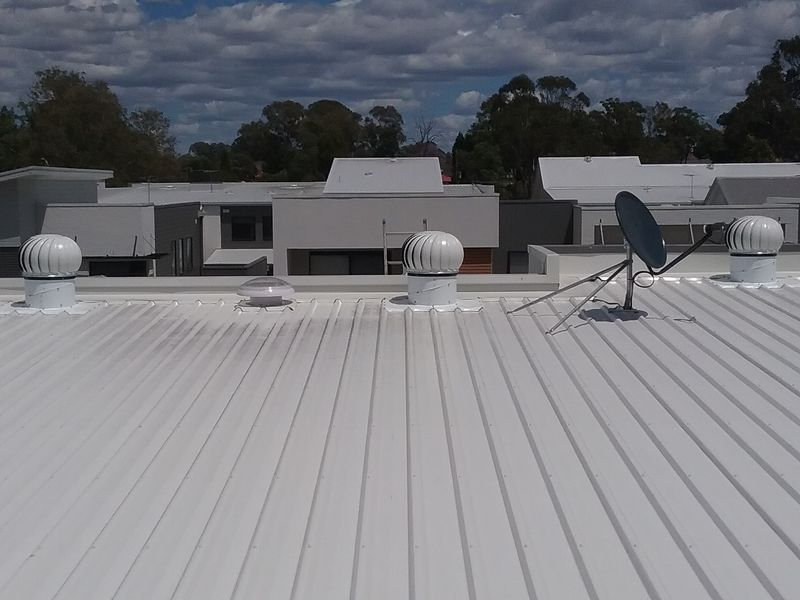
Flat roofs are very common for commercial buildings in Australia. But if there's one thing that tradies and roofers know only too well, it's that poor ventilation can turn a roof cavity into a blazing oven during Australian summers. That's why choosing the right flat roof ventilation solution is crucial to keeping your customers happy!
In this guide, we'll show you why proper ventilation is so important, the challenges of ventilating commercial flat roofs, and the best solutions you can use, including our range of 100% Australian-made whirlybirds. If you're a tradie or roofer who installs or maintains commercial roofing systems, this guide is for you!
Why is Ventilation Important for Commercial Flat Roofs?
As a roofer or tradie, you are probably already well aware that ventilation is vital for all roofs. But it's always good to refresh our memories, and you may be a new tradie reading this, so let's take a look at some of the main reasons why effective ventilation is so important:
Temperature regulation: Ventilation reduces heat buildup in buildings, helping decrease your customers' air conditioning loads and energy bills.
Moisture control: Moisture trapped in your client's roof cavity can cause condensation, leading to mould, rot, and insulation damage. Proper ventilation helps prevent these nasty issues.
Extends roof lifespan: By preventing thermal expansion and moisture damage, proper airflow extends a roof's lifespan, keeping clients happy for longer!
Improves comfort: Especially in large industrial buildings, ventilation can make a huge difference in workplace comfort, which your customers will really appreciate.
When you're a tradie dealing with commercial clients, efficiency and durability matter. That's why proper ventilation and choosing the right ventilation solution, such as whirlybird vents, really matters!
Common Ventilation Challenges with Flat Roofs
If you've ever worked on a commercial flat roof, you will already know that they come with a unique set of ventilation challenges. Unlike pitched roofs, a flat roof doesn't let hot air rise and escape naturally, so proper airflow takes careful planning.
One of the biggest challenges tradies and roofers face is limited natural airflow. Without the pitch of a sloped roof, nothing helps move stale hot air up and out of the space. This means you're relying solely on mechanical or wind-assisted systems like whirlybirds to do all the ventilation work.
Another challenge is that flat commercial roofs don't have eaves or gables, which normally act as your intake or exhaust point on a pitched roof. Flat roofs also have fewer openings for air to enter and exit, which makes it hard for roofers to achieve cross-ventilation. This can lead to trapped hot air that raises the internal temperature and strains HVAC systems.
There's also just the sheer size of most commercial buildings! Such a large roof area requires multiple ventilation points to be effective. Just one vent won't be enough. You have to plan your vents and spacing carefully based on the building size and internal layout.
And finally, you have waterproofing concerns. When you install multiple vents, you have to penetrate the roof membrane, which increases the risk of leaks if you don't seal them properly. That's why using high-quality flashing and sticking to trusted products like Twista's whirlybirds is critical.
With all these unique challenges, ventilation isn't easy. So let's look at some of the effective ventilation solutions!
 Effective Ventilation Solutions for Flat Roof Installations
If you're a tradie or roofer working on a commercial flat roof, you need tailored ventilation systems to ensure proper airflow and temperature regulation for your clients. Here are the most effective options used in commercial installations:
Passive Roof Ventilators
Passive ventilation works without electricity. It relies on natural forces like wind and temperature differences to circulate air. They're low-maintenance and cost-effective, making them a go-to for many tradies.Whirlybirds
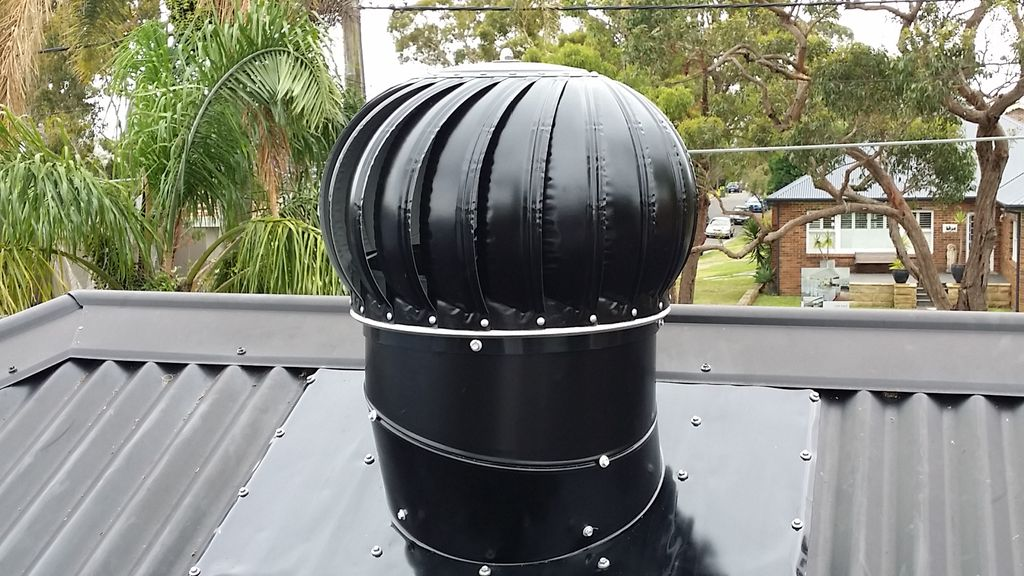
Whirlybirds are a type of passive, wind-driven roof ventilation system. Whirlybird vents are a popular choice for commercial flat roofs because they spin even in light breezes, extracting hot air from the ceiling cavity. Because they don't require electricity, whirlybirds are both cost-effective and eco-friendly. Twista's whirlybirds are engineered for tough Aussie conditions, making them perfect for tradies looking to install durable, high-performance vents on warehouses, factories, and commercial buildings with large, flat roof spaces.Natural Convection Models
These systems use the natural rise of warm air to create airflow, pulling hot air out through roof vents. They work best when combined with strategically placed intake vents, which allow cooler air to replace the rising heat. While completely passive, natural convection models require smart design to be effective on flat roofs. They're another solid choice in areas with stable climates and consistent indoor heat sources.
Mechanical Roof Ventilators
Mechanical roof ventilators are powered systems designed to force air out of the roof cavity. They're ideal for commercial buildings with high heat loads or poor natural airflow. Mechanical vents provide consistent airflow regardless of weather conditions and are often used in manufacturing, commercial kitchens, and warehouse environments. These units usually require mains power and should be installed with proper sealing to maintain roof integrity.Electric or Motorised Units
Electric ventilators use motorised fans to extract heat and stale air from commercial flat roofs. They're highly effective in large-scale or heat-intensive buildings where passive systems aren't enough. With steady, controllable airflow, these systems are often ducted and can handle fumes, moisture, and heat at the same time. While they come with an energy cost, their performance makes them a reliable option for tradies dealing with demanding ventilation specs.Thermostatically Controlled Options
These smart ventilation units switch on automatically when a pre-set temperature is reached, providing targeted airflow only when it's needed. Perfect for commercial buildings that don't require constant ventilation, thermostatic roof vents save energy while protecting the building from heat stress. They're available in both electric and solar models and are ideal for clients focused on efficiency and climate control. Set and forget, they're great for tradies looking to add value.Solar-Powered Ventilation Systems
Solar-powered roof vents are an energy-efficient alternative to electric models. They use solar panels to power internal fans, offering strong ventilation without increasing power bills. These systems are especially useful for off-grid or remote commercial installations. They perform best in sunny climates, like much of Australia, and are an excellent upsell for tradies looking to offer greener solutions. Some hybrid models even combine solar and wind power for maximum performance.
Why Whirlybirds Are Ideal For Commercial Flat Roofs
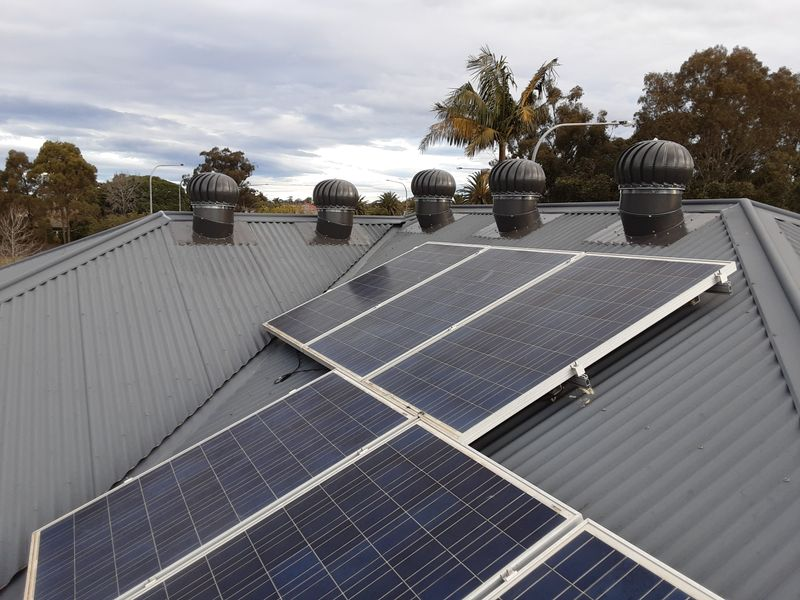
If you are working on a commercial flat roof and need an effective ventilation solution, whirlybirds are one of the most practical and cost-effective options available. As we already discussed, these roof ventilators use wind to create a vacuum that draws hot, stale air out of the ceiling cavity. On large commercial roofs where heat can build up quickly, this constant air movement is essential for reducing internal temperatures and improving airflow.
Whirlybird vents are really well-suited to flat roofs because they don't rely on a pitched structure or natural convection to function. Even with minimal wind, a well-installed whirlybird can provide effective ventilation, helping to reduce heat stress on roofing materials, insulation, and HVAC systems.
For tradies, whirlybirds are easy to install, require minimal maintenance, and offer excellent long-term reliability. With no power consumption, they're also ideal for keeping energy costs low in commercial buildings.
If you're working on a warehouse, retail centre, or industrial facility, adding multiple whirlybird vents across the flat roof ensures even air distribution and maximum performance. That's why tradies and roofers use this smart, scalable solution for flat roof ventilation!
Not sure which size suits the job? Compare 500mm and 750mm Whirlybirds for commercial and industrial projects before deciding on the size and number of ventilators required.
Ready To Upgrade Your Commercial Ventilation?
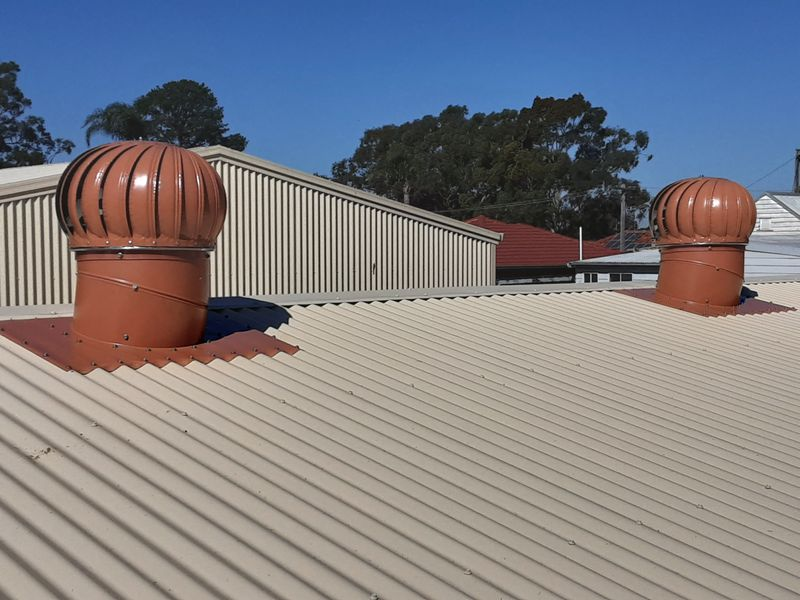
If you're looking to improve airflow, reduce heat build-up, and extend the life of the roofing systems you install, upgrade your commercial ventilation with Twista whirlybirds! Our range of high-performance whirlybird vents and commercial roof ventilation products is designed specifically for the demands of commercial flat roof installations in Australian conditions.
100% Australian-made and built to last with high-grade materials, Twista whirlybirds deliver maximum airflow, durability, and low maintenance. That's why they're a top choice for tradies and roofers who want reliable results without the headaches. Whether you're working on a warehouse, factory, or retail roof, we've got the right solution to suit the scale and structure of your project!
We know that every job is different. That's why we offer expert advice, backed by years of industry experience, to help you choose the best ventilation setup for your project. At Twist, we'll help you get the job done right, the first time.
Contact the Twista team to buy your Whirlybird today! We offer tailored advice, product recommendations, and competitive trade pricing on all your commercial flat roof ventilation needs.