Roof Ventilation for Tradies: How to Recommend the Right System to Clients
When a client asks for "the best vent", most tradies already know the answer is not that simple. There is no one-size-fits-all Whirlybird or roof ventilation system that suits every job. The right recommendation depends on many factors, such as the roof design, local climate, condensation risk, how the building is used, and the client's budget.
A system that works well on one property can be the wrong fit for another. That is why good advice matters. Clients want a result they can actually feel and trust, whether that means a cooler roof space, less condensation, better indoor comfort, fewer maintenance issues, or a solution that performs well over time. This article will walk through how tradies can properly assess each job, avoid common mistakes, and confidently recommend a Whirlybird or ventilation approach they can stand behind!
Why Does The Right Recommendation Matter?
The right recommendation matters because tradies are the ones who take the blame when a roof space runs hot, traps moisture, or underperforms. A poor ventilation choice can result in complaints from property owners and create avoidable call-backs when the system does not deliver what the client expected.
Moisture is another reason why the right recommendation is important. If humid air is not managed properly, condensation can form, leading to mould, damp smells, and damage to insulation and surrounding materials over time. Australian government guidance consistently links good ventilation with indoor air quality, thermal comfort and humidity control, and warns that more airtight homes without suitable ventilation can increase the risk of condensation and mould. For tradies, that means the recommendation is not just about selling a vent. It is about choosing a system that suits the job and performs in real conditions. It also means fewer complaints and callbacks later on.

Start With These 6 Questions Before Recommending Anything
If you want to make confident, knowledgeable ventilation recommendations that keep clients happy, you'll want to ask these 6 questions before recommending anything:
1. What type of roof are you working with?
The first question is always about the roof itself, because the right ventilation option depends heavily on the structure you are working with. A tiled roof behaves differently from a metal roof, especially when it comes to airflow, heat transfer and how easily air can escape. Pitched roofs, low-pitch roofs and flat or commercial roofs also create very different ventilation challenges. Then there is the size of the roof cavity and how accessible it is for installation or future maintenance. A large, open roof space may suit one approach, while a tight or awkward cavity may rule it out. Good recommendations start with the roof type!
2. What climate and condensation risk are you dealing with?
Climate and condensation are the next points. In hot areas, the main issue may be summer heat load building up in the roof space. In cooler zones, the risk of condensation often becomes the greater concern, especially on shaded sites or in homes with low sun exposure. Coastal humidity can also affect the ventilation you recommend because it increases moisture pressure year-round. That is why tradies should assess the local conditions before recommending any Whirlybird or roof ventilation system. The NCC 2022 now includes roof-space ventilation provisions for climate zones 6, 7 and 8, with minimum opening requirements that vary by roof pitch, plus exceptions for some roof types and BAL-FZ situations.
3. What is the client actually trying to solve?
Before you recommend anything, you need to get clear on the actual problem the client wants to solve. Some are dealing with hot upstairs rooms that stay uncomfortable well into the evening. Others are worried about mould or mildew, or they have noticed heavy heat trapped in the roof space. In some jobs, the issue is a garage or workshop that becomes unbearable in the summer. On commercial sites, it may be warehouse heat build-up affecting staff, stock or day-to-day operations. These are not all the same problem, so they should not get the same answer. The better you define the client's real pain point, the easier it is to recommend a ventilation solution that actually fits!
4. Is the property already relying on other systems?
Before recommending a ventilation system, check what the building is already relying on. Exhaust fans, air conditioning, ceiling insulation, sarking and roof membranes all affect how heat and moisture move through the structure. Solar panels and other roof penetrations can also change airflow patterns and limit where certain products can be installed. A Whirlybird or any other roof vent should work with these existing elements, not against them. Good recommendations come from understanding how the whole building is already trying to manage airflow and moisture.
5. How much maintenance, noise and power use will the client accept?
This question helps you rule out either passive or powered options. Some clients want a simple, low-maintenance solution with no running costs and minimal noise. Others are open to powered ventilation if it delivers stronger performance. The right recommendation depends on the level of upkeep, sound, and energy use the client is comfortable with.
6. What is the budget and expected payback conversation?
Budget always matters, but it should be discussed alongside expected results. Some clients want the lowest upfront cost, while others are willing to spend more for better long-term performance. A practical recommendation balances installation costs, likely benefits, maintenance needs, and the client's confidence in the value over time.
Matching the Right Ventilation Approach to the Job
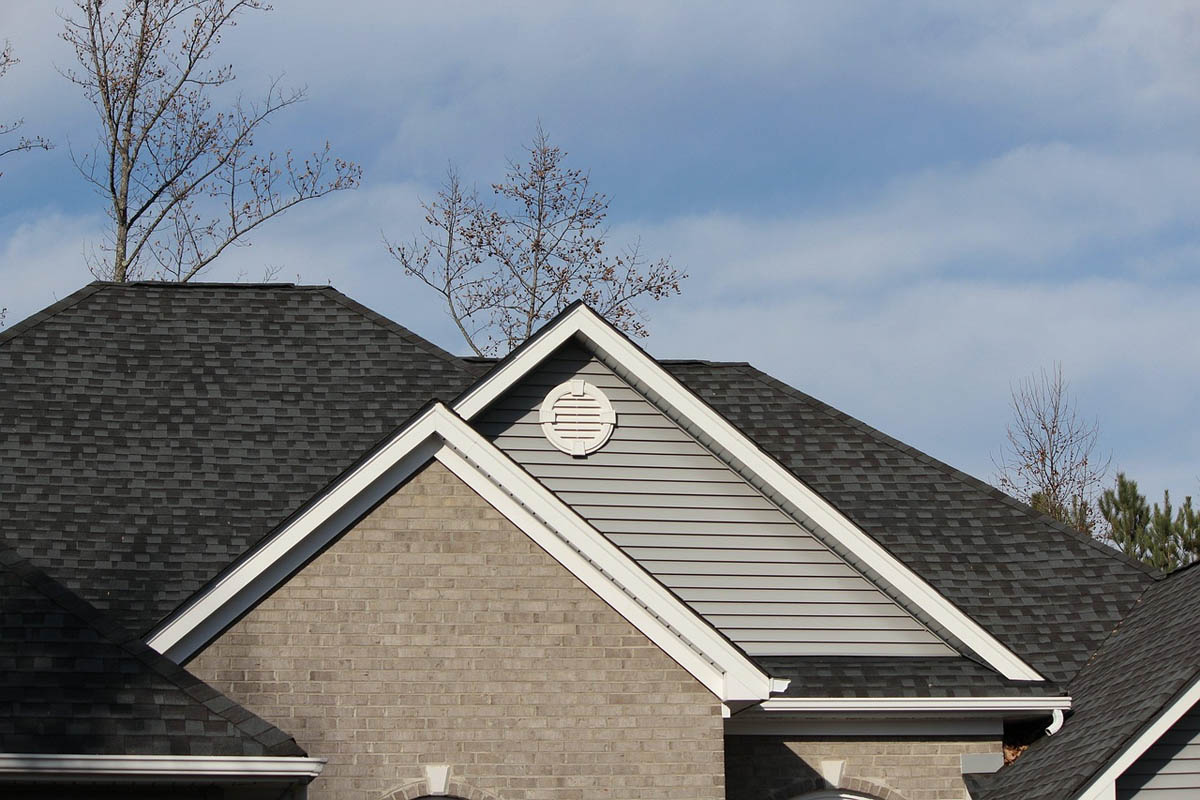
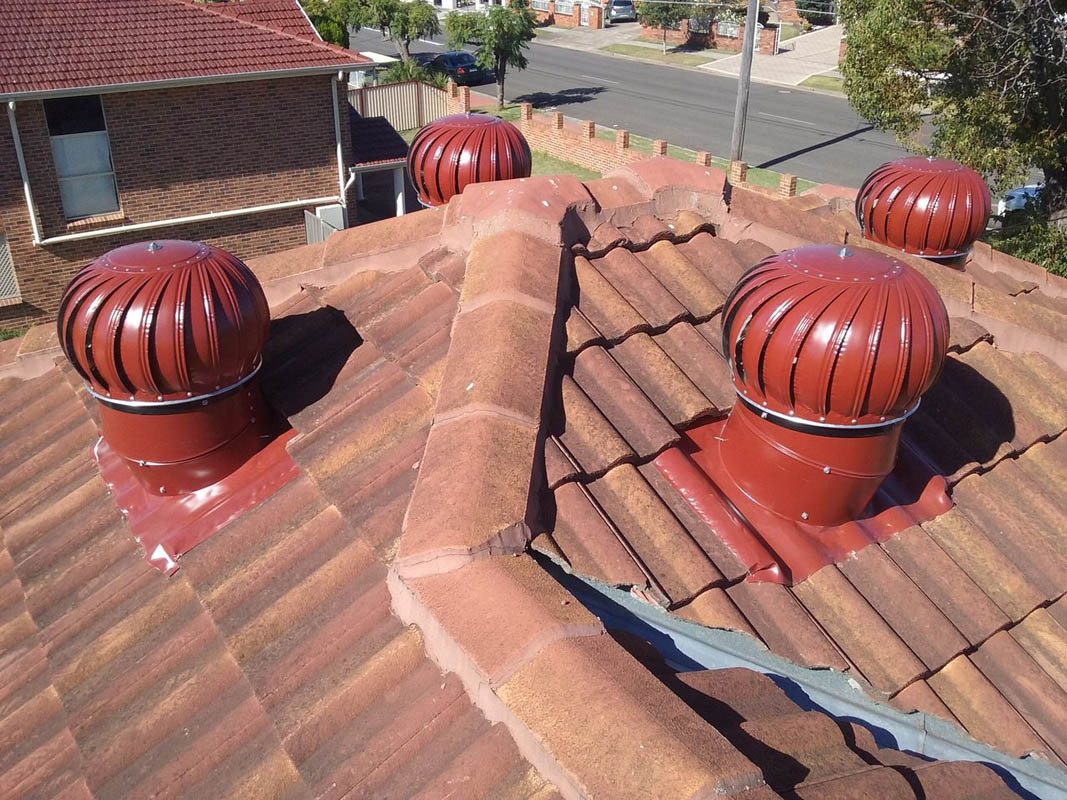
Matching the right ventilation approach to the job is where good trade judgement really shows. On straightforward residential jobs, passive roof ventilation is usually the best fit. It suits clients who want low running costs, minimal maintenance, and a simple, durable solution that doesn't rely on power to keep working. A Whirlybird vent can be a practical recommendation when the roof design, climate, and airflow path all support that solution.
When a Whirlybird is the right option, the next step is choosing the appropriate size. Our 500mm vs 750mm Whirlybird guide explains how roof area, building use, heat load and airflow requirements should influence that decision.
Powered or solar ventilation may be worth considering when the site has low wind exposure, the roof space is more complex, or the client needs stronger air movement than a passive system is likely to provide.
Some jobs are also bigger than adding a roof vent. If the intake path is poor, exhaust fans are dumping into the roof space, moisture sources have not been addressed, or insulation and membrane details are wrong, ventilation alone might not solve the problem. More complex condensation cases often need a broader review. That distinction matters because Australian guidance treats condensation and ventilation as building-system issues, not just product-selection issues. The ABCB handbook is useful here because it explains the condensation requirements and broader risk-management context, while noting that it is guidance, not a substitute for compliance advice.
Common Ventilation Mistakes Tradies Should Avoid
Even the most experienced tradie can run into trouble if they move too quickly from problem to product. Roof ventilation is one of those areas where small oversights can lead to poor performance, moisture issues or unhappy clients later on. Before locking in a recommendation, here are some of the most common ventilation mistakes you should avoid:
Recommending the same solution on every roof
Ignoring the roof pitch and cavity design
Focusing on extraction without thinking about the airflow path
Overlooking condensation risk in cooler climates
Not checking local code or project constraints
Treating "hot roof" and "moist roof" as the same problem
Most of these mistakes come back to the same issue: making assumptions too early. The better approach is to assess the roof, the climate, the airflow path and the client's actual goals before recommending a solution. That is what leads to a ventilation system that performs properly and that a tradie can feel confident recommending to customers!
How to Explain the Recommendation to the Client
When explaining the recommendation to the client, keep it practical and outcome-focused. Here is a simple formula you can use to successfully explain your recommendation to your client:
Start with, "Here's the problem we're solving," so they understand the issue clearly.
Then explain, "Here's why this system suits your roof," linking the recommendation to their roof type, climate and goals.
Follow that with "Here's what results to expect," whether that means less heat buildup, better comfort, or reduced moisture risk.
Be honest about limits: "Here's what it won't fix on its own."
If other measures are needed, finish with, "Here's what to combine it with if needed," such as better intake airflow, exhaust corrections or insulation improvements.
When to Check Code, Manufacturer Guidance or a Building Professional
There are times when it is worth slowing down and checking the details before making a firm recommendation. That includes jobs where:
NCC condensation requirements may apply
Site limitations affect ventilation design
Bushfire exposure changes what can be installed
It is also wise to look more closely at unusual commercial roofs, flat-roof projects, or buildings with mixed moisture, insulation, and airtightness issues. Manufacturer guidance can help confirm product suitability, and some jobs may need input from a building professional. That extra step builds trust and helps ensure the recommendation you give is compliant and defensible.
Where To Buy High-Quality Whirlybird Ventilation Solutions
As we said at the beginning of this article, there is no universal "best" roof ventilation system, only the system that best suits the roof, the climate and the problem being solved. The strongest recommendation you can give is always site-specific, based on real conditions and not guesswork. Tradies who take the time to diagnose properly deliver better performance, better client confidence and fewer call-backs after installation!
If you are looking for high-quality, 100% Australian-made Whirlybird ventilation solutions, explore the range at Twista! You can also browse our product pages, category pages and installation information to find the right option for each job and recommend a solution you can back with confidence.
Contact Twista Whirlybird
Have questions about the right Whirlybird or roof ventilation system for your next job? Fill out the form below and the Twista team will be in touch to help you find the best solution for your project.