Whirlybirds: Cost-Effective Industrial Roof Ventilation for Warehouses
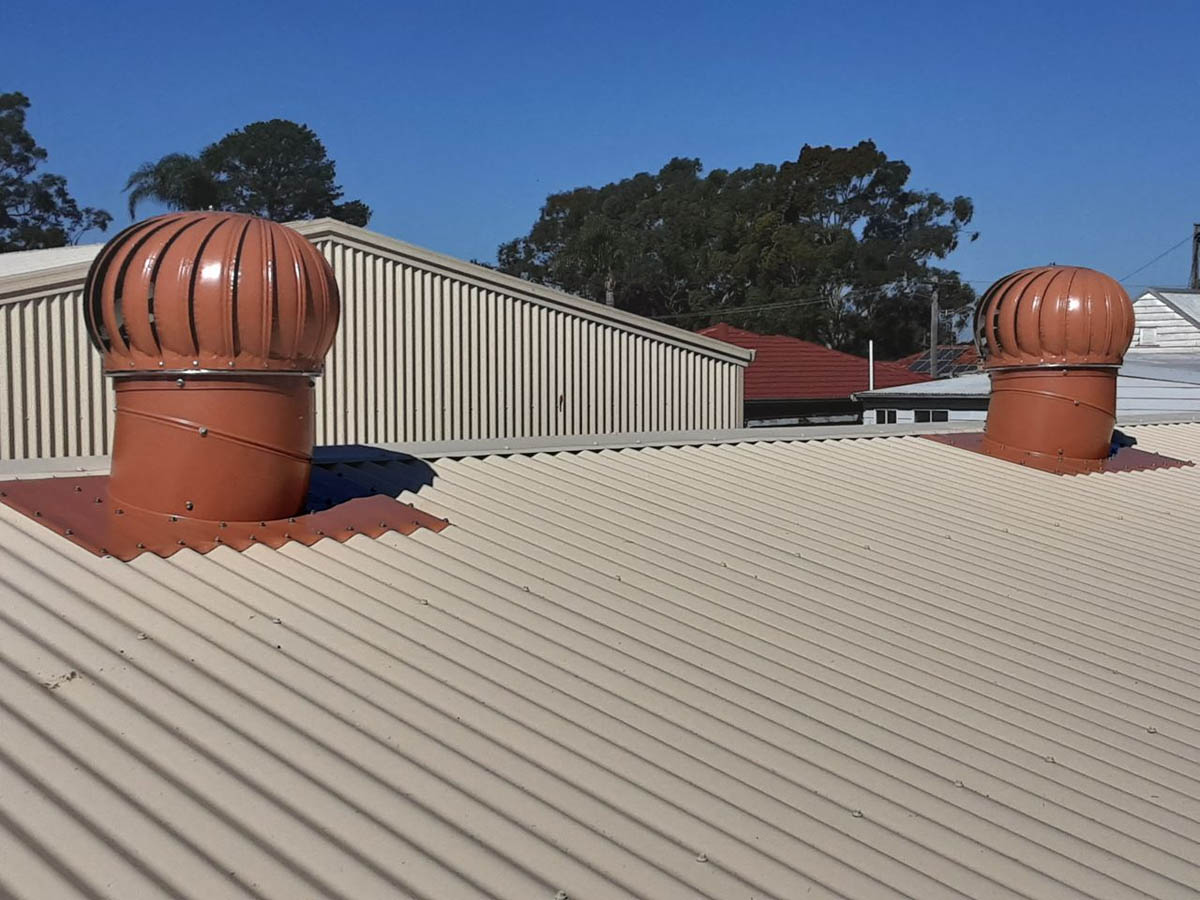
If you run a large warehouse in Australia, you'll know how brutally hot it can get inside, especially during the summer. Warehouses, with their wide-span metal sheet roofs exposed to hours of direct sun, can absorb enormous amounts of heat into the building. On a morning, it might be bearable, but by midday and into the afternoon, that heat can become intense.
This lingering hot air can put a huge strain on your workers and your cooling systems. In industrial settings, where productivity, safety, and employee well-being matter, his heat can become a serious problem.
Industrial roof ventilation is your solution! If you are a warehouse manager looking for a practical and cost-effective industrial ventilation option, whirlybirds are one of the smartest upgrades available.
In this blog post, we'll see why roof ventilation is so important in warehouses, the benefits of proper ventilation and why whirlybirds make a great industrial roof ventilation choice!
Why is Roof Ventilation Important For Warehouses?
Warehouse roof ventilation is not the same as ventilation in a small office, showroom, or retail space. For one thing, a warehouse is much bigger. These buildings have large floor areas, wide roof spans, and high interior ceilings, which means they hold a large volume of air. Once heat rises and collects beneath the roof, it does not clear out quickly on its own. Instead, it builds into a heavy layer of trapped hot air that can make the whole building feel harsher as the day goes on.
You also have to think about what is happening inside the warehouse itself. There may be forklifts moving constantly, roller doors opening and closing, equipment operating for long hours, and staff working across loading zones, storage areas, and packing stations. All of this adds heat, dust, stale air, and moisture into the environment. Without proper roof ventilation, those conditions can linger and spread through the space.
Air movement is another challenge. Racking, partitions, machinery, and changing weather conditions can all interrupt the natural flow of fresh air. In a large warehouse, air has farther to travel and more obstacles to move around. That is why roof ventilation matters so much. It helps the building breathe properly, reduces heat build-up overhead, and supports healthier, more manageable conditions across the entire warehouse!
So, what benefits do whirlybirds bring to your warehouse?
Improve Staff Productivity With Ventilation
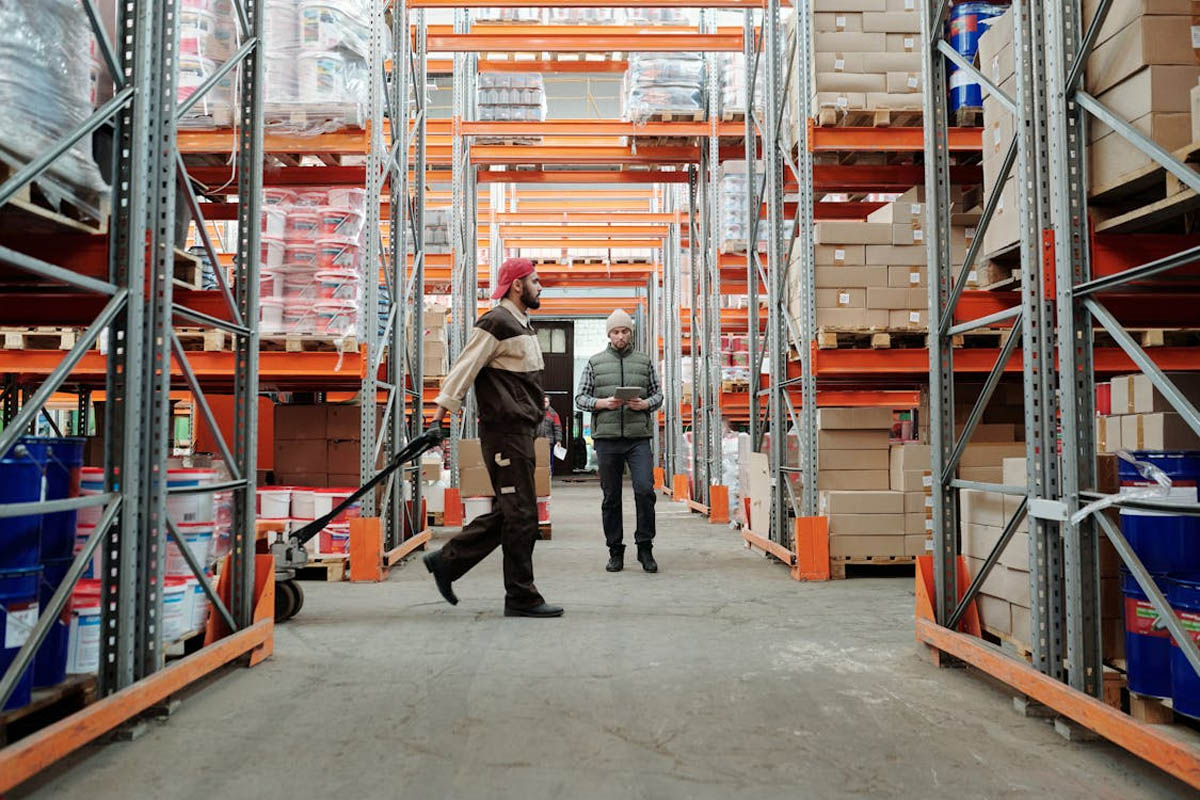
Sweltering warehouse conditions can take a real toll on the people working inside them, your loyal staff. When hot air becomes trapped under the large metal roof, and there is little ventilation to move it out, the whole space can start to feel heavy, stuffy, and exhausting. During peak Australian summer months, that kind of environment is not just uncomfortable. It can also create genuine occupational health and safety concerns, especially in warehouses where staff are on their feet all day, lifting, packing, moving stock, or working around machinery.
As temperatures rise, workers can become fatigued more quickly and may find it harder to stay focused and comfortable throughout the day. Heat stress can lead to headaches, dizziness, dehydration, and reduced alertness, all of which can increase the risk of mistakes and accidents on the warehouse floor. In a busy industrial setting, that is something no operator can afford to ignore!
Whirlybirds offer a practical and cost-effective way to help relieve these conditions. By continuously drawing hot air out from beneath the roof, they encourage steady airflow through the building and reduce the build-up of trapped heat overhead. This can help create a more bearable working environment, support staff comfort and morale, and make day-to-day operations feel more manageable across the warehouse floor!
How Whirlybirds Remove Toxic Fumes
Warehouses and factory spaces do not just trap heat. They can also hold onto airborne dust and industrial emissions that build up over the course of a working day. In busy environments where machinery is running, materials are being handled, and vehicles or equipment may be operating indoors or near open work zones, the air can quickly become less healthy to breathe. Without proper extraction, those contaminants can linger beneath the roof and gradually spread across your building!
That is why effective roof ventilation plays such an important role in industrial settings. More than temperature control, it removes unwanted air from the building and supports a cleaner, fresher environment for the people inside. In a factory or warehouse, the sheer size of the space means the ventilation system has to cope with a very large volume of air. Smaller units are not usually enough to handle industrial conditions. Large commercial whirlybird vents, including heavy-duty 750mm models, are recommended to provide the required extraction capacity in larger settings.
However, bigger isn't automatically better for every application. See our 500mm vs 750mm Whirlybird sizing guide to understand when a larger industrial unit makes sense and when multiple smaller ventilators may provide better airflow distribution.
With continuous operation, commercial whirlybirds help draw polluted, dusty, and stale air upward and out of the building. This ongoing extraction reduces the build-up of airborne contaminants and helps create a safer, more breathable environment for staff throughout the day.
Reduce Running Costs With Industrial Roof Ventilation
One of the biggest advantages of whirlybird roof ventilation is its zero running cost! In large commercial and industrial buildings, that is a huge benefit. Warehouses are expensive enough to operate without adding unnecessary cooling costs. When summer temperatures rise and internal heat builds under a metal roof, many business owners start thinking about mechanical cooling. The problem is that large-scale commercial air conditioning can be extremely expensive to run, especially in buildings with high ceilings, wide spans, and constant heat gain throughout the day.
Because whirlybirds are wind-driven, they work without relying on electricity to extract built-up hot air from the roof cavity and upper sections of the warehouse. That means no ongoing power usage, no surprise energy bills, and no heavy operating costs just to keep air moving. Once installed, they continue providing natural extraction day after day with minimal maintenance and no electrical demand.
This makes whirlybirds among the most cost-effective commercial cooling methods for warehouses and factories. They help reduce heat build-up in a practical, low-cost way while supporting a more manageable internal environment. For maximum efficiency without a higher power bill, explore Twista's commercial range to find the perfect industrial roof ventilation for your facility!
The Durability and Design of Whirlybirds
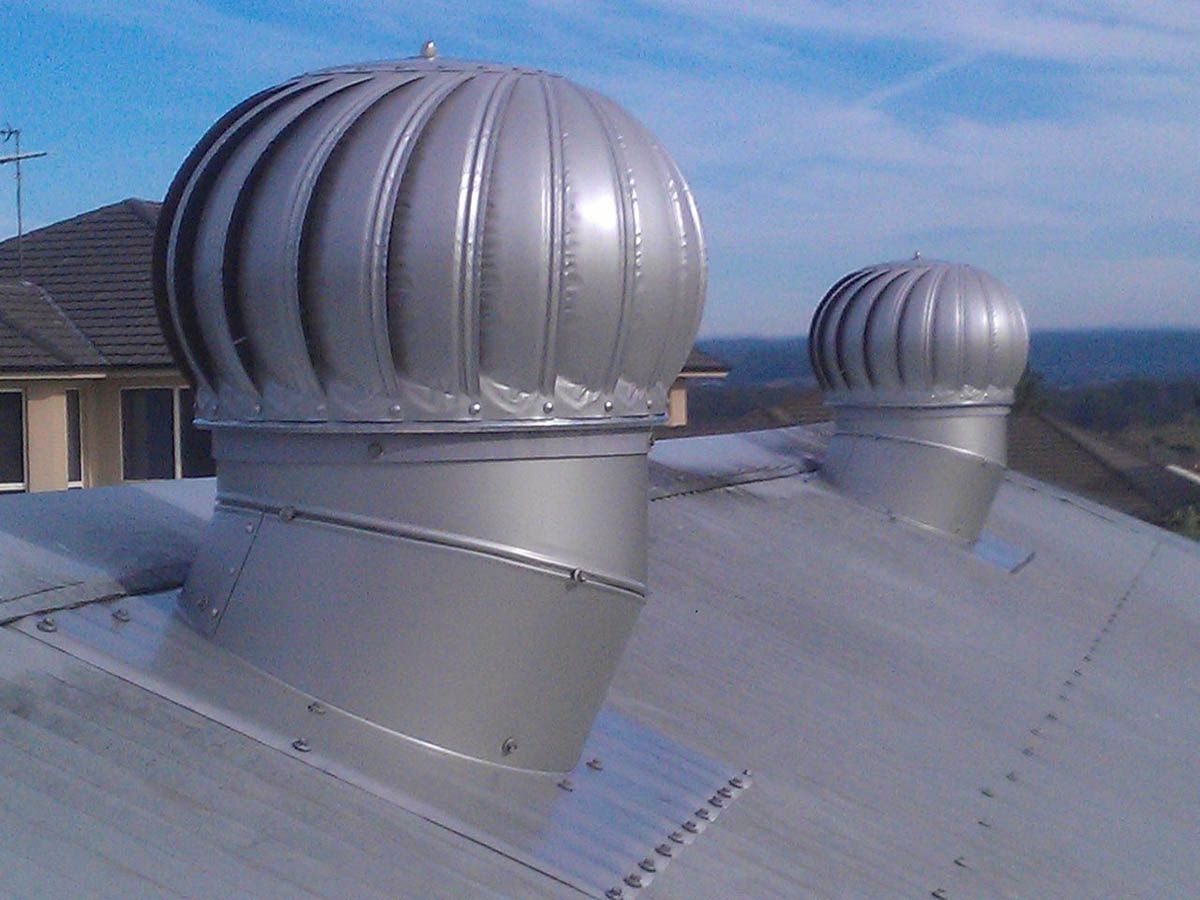
In commercial and industrial settings, durability is crucial. Warehouse roof ventilation systems are exposed to harsh Australian conditions year-round, including intense sun, heavy rain, coastal air in some locations, and strong winds across large open roof areas. That is why the design and build quality of a whirlybird matter so much. A unit installed on a warehouse or factory roof needs to keep performing reliably over time without warping or wearing out under constant exposure.
Heavy-duty materials are especially important for commercial use because industrial whirlybirds are larger, work harder, and must handle a far greater volume of air than smaller domestic models. Every component needs to be built for strength and long-term performance. This includes the head, base, shaft, and moving parts, all of which should be designed to cope with demanding operating conditions.
Steel ball bearings are another major advantage in high-quality whirlybirds. They help the ventilator spin quietly and with minimal friction, even on large industrial units. That means more reliable airflow and less mechanical strain over time. Investing in well-made, Australian-made materials is often the smarter long-term choice. It helps prevent early breakdown, reduces ongoing maintenance issues, and gives businesses greater confidence that their roof ventilation system will continue performing when it is needed most.
Installing Whirlybird Vents on Your Warehouse
Installing whirlybird vents on a warehouse is not just a matter of cutting a hole in the roof and fitting a ventilator. For a system to work properly, the layout, number of units, and vent size must match the building's size and demands. In a factory or warehouse setting, large commercial vents, such as 750mm models, are often required because smaller units simply cannot move enough air to handle the massive internal volume.
Placement is also critical! Whirlybirds should be installed along the highest points of the roof where rising hot air naturally collects. For large buildings, they need to be spaced evenly along the roofline to create balanced extraction, rather than leaving some areas with trapped heat and poor airflow. Roof design, ceiling height, internal partitions, and work zones should all be considered when planning their positions.
The number you need depends on the warehouse footprint, roof height, internal heat load, and the required airflow. A small number of undersized vents spread across a huge roof will not deliver the results you want. That is why commercial installations should be assessed properly before work begins. With the right vent size, quantity, and placement, whirlybirds can provide powerful, consistent ventilation across your entire warehouse.
Cost-Effective Industrial Roof Ventilation Solutions
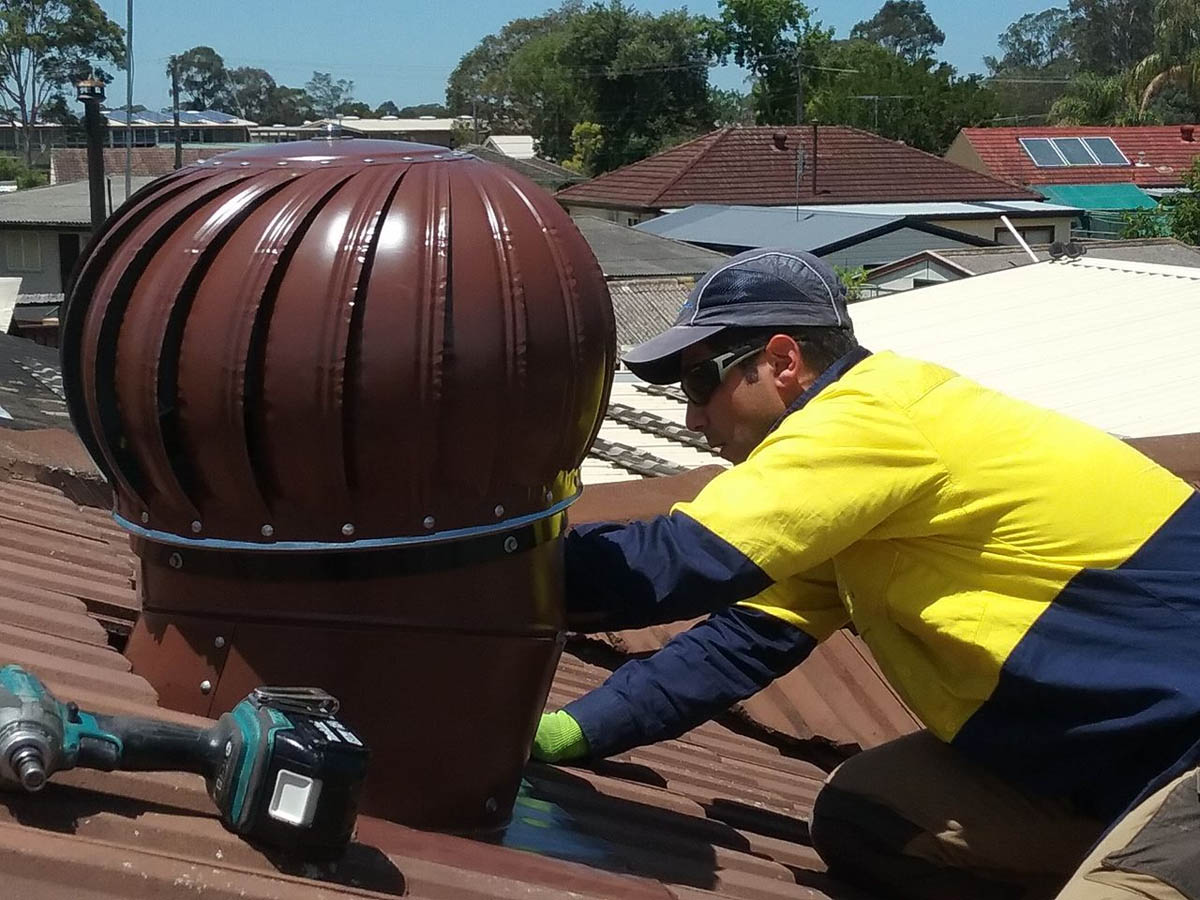
For facility managers and business owners, upgrading your warehouse roof ventilation before peak summer arrives is a smart move! If you want reliable, low-cost ventilation, Twista whirlybirds offer a practical industrial solution. Built for tough Australian conditions, they help remove trapped heat, improve airflow, and support better working environments without ongoing power costs.
Ready to upgrade your facility? Browse our industrial whirlybirds to find a practical solution that fits your warehouse requirements.
Need Help?
Choosing the right ventilation layout for a large warehouse can be a complex task. If you are unsure about the number of units required or the best placement for your specific roof design, our team is here to assist.
Fill out the contact form below to get expert advice on the best industrial ventilation strategy for your building. We can help you ensure your facility stays cool and compliant year-round!